
Humanoid Robots: The Next Frontier in Artificial Intelligence

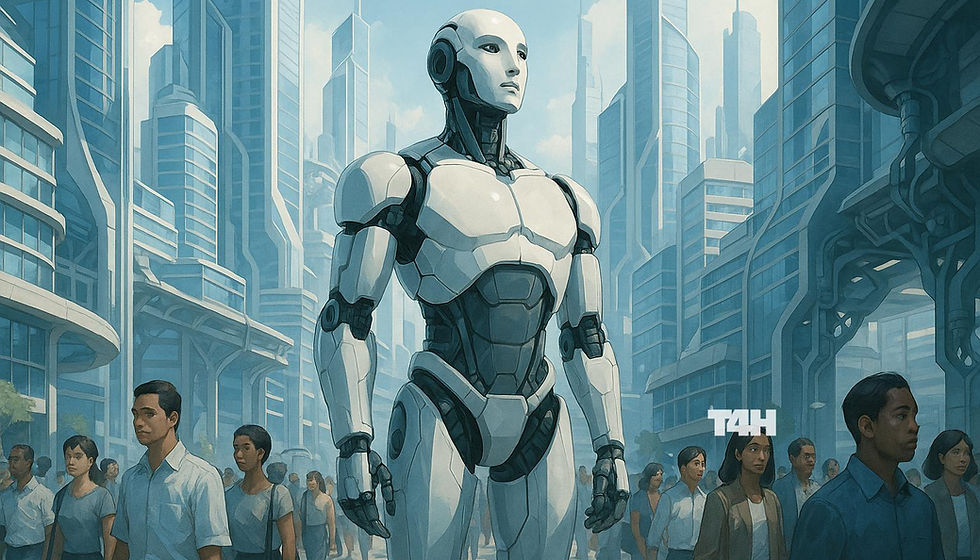
The commercial boom in artificial intelligence has sparked interest in humanoid robots, but experts remain skeptical about their feasibility.
Humanoid Robots: The Next Frontier in Artificial Intelligence?
The commercial boom in artificial intelligence has sparked interest in humanoid robots that can move their mechanical bodies like humans and perform tasks with ease. However, experts remain skeptical about the feasibility of such robots. Despite the hype, there's a long way to go before humanoids become a reality. As we delve into the world of humanoid robots, it becomes clear that this is not just a matter of technology, but also of societal implications.
Key Point:
The development of humanoid robots is still in its infancy.
Humanoid Robots: A Growing Industry?
Researchers and investors are pouring money into ambitious startups aiming to build hardware that will bring a physical presence to the latest AI. China is leading the charge, with about 20 companies raising at least $100 million to develop humanoids. The U.S., on the other hand, has a more cautious approach, with some experts predicting it may take years for humanoids to become a reality. Disney's contribution to the field, a walking robotic version of Olaf, is set to roam through its theme parks in Hong Kong and Paris next year.
Key Point:
China is leading the development of humanoid robots.
The Technical Challenges Facing Humanoid Robots
While there's been significant progress in AI research, developing humanoids that can learn and adapt like humans remains a daunting task. Rodney Brooks, a robotics pioneer, has expressed skepticism about the ability of today's humanoid robots to become dexterous despite massive investments from VCs and tech companies. The same technical advances that made AI chatbots so good at language have played a role in teaching robots how to get better at performing tasks, but paired with computer vision, robots are still far from true autonomy.
Key Point:
The development of humanoid robots faces significant technical challenges.
IN HUMAN TERMS:
Why Humanoid Robots Matter
As the industry continues to push towards humanoids, it's essential to consider the societal implications. Will humanoids become a productive member of a workplace or household, or will they remain confined to niche roles? The development of humanoid robots also raises questions about the future of work and the role of humans in an increasingly automated world. China's ambitious plans to establish a humanoid ecosystem by 2025 have sparked debate among experts.
Key Point:
The development of humanoid robots has significant societal implications.
CONCLUSION:
Humanoid Robots: The Next Frontier in Artificial Intelligence?
As we conclude this exploration into the world of humanoid robots, it's clear that while there's been progress, there's still much to be done. Will humanoids become a reality, or will they remain confined to science fiction? Only time will tell. As the industry continues to push towards humanoids, it's essential to stay skeptical and consider the societal implications of this emerging technology.
Key Point:
The development of humanoid robots remains a long-term goal.
And so, we wait with bated breath for the next iteration of humanoids to revolutionize our world. - Overlord


Comments